


Job Hopping vs. Job Hugging: Rethinking Loyalty, Growth, and the Modern Workplace
- Strategy Real-Time
- Feb 20
- 3 min read
Updated: Feb 23
As a Gen X leader, I’ll admit something that surprised me.
For most of my career, I viewed job hopping as a red flag. Short stints on a resume often signaled a lack of loyalty—or a lack of commitment worth investing in.
Loyalty mattered. Staying, contributing, growing within an organization felt like the right path—for individuals and employers alike.
And as a mother of both a Millennial and a Gen Z professional, that’s exactly what I taught my children: Be loyal. Work hard. If you invest in the company, the company will invest in you.
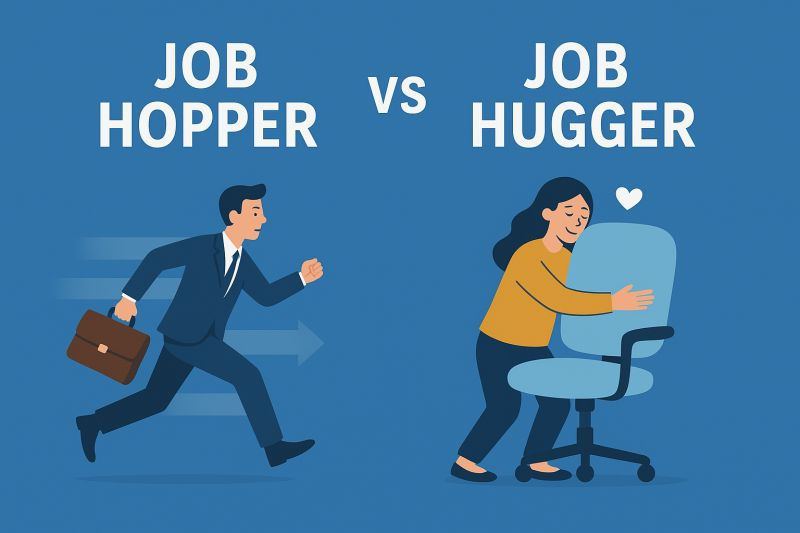
But recently, I read an article in Forbes about “job hugging versus job hopping,” and it stopped me in my tracks. Not because it contradicted everything I believed—but because it forced me to look at today’s reality with clearer eyes.
Professionals who job hopped frequently were most likely looking for advancement, opportunity to strengthen their skills, grow their careers, and make more money.
A Changing Landscape: Why Job Hugging Is Replacing Job Hopping
In uncertain times, people behave differently.
With economic volatility, global unrest, market instability, and a rapidly changing employment landscape, many professionals—especially younger ones—are choosing to hug their jobs rather than hop.
Not because they’re disengaged. Not because they lack ambition.
But because risk feels different right now.
And here’s where my perspective shifted.
I have viewed job hopping with skepticism. Moving every two to four years felt misaligned with loyalty and long-term commitment. What I see more clearly now is that for many professionals, those moves may not have been about disloyalty—they were most likely about accelerating growth, expanding skills, and gaining exposure faster than traditional career paths allowed.
The Reality for Younger Professionals (And Why It Matters)
Young professionals in their 20s and 30s are at a disadvantage—and many don’t have the experience or confidence yet to advocate for their own growth.
That’s where those of us with experience come in.
We have an obligation—not to lecture—but to help shape how the next generation navigates their careers within organizations, not just away from them.
At the same time, job hugging doesn’t have to mean stagnation. When approached intentionally, staying put can be a strategic choice—one that deepens expertise, builds influence, and creates meaningful impact. My perspective has shifted: both paths can drive growth when they’re chosen deliberately rather than out of fear or habit.
Growth Doesn’t Require Leaving—If Employers Are Willing to Listen
Early in my career, I had a mentor who believed deeply in talent development.
He wanted people to stay; but more importantly he wanted to hear from them.
He encouraged open conversations about:
How employees wanted to grow
What skills they wanted to build
How they hoped to increase responsibility and compensation
Where they saw opportunities to contribute more meaningfully
I watched people thrive in that environment.
They expanded their roles. They innovated. They improved margins and outcomes. They stayed loyal—not out of fear, but out of purpose.
That experience shaped me and I carried those practices with me in my career and it’s why I believe job hugging can be powerful—if it’s intentional.
A Challenge to Employers: Are Your People Hugging—or Contributing?
How many people on your team are simply hugging their jobs…versus loving their work and contributing meaningfully to results?
Job hugging without engagement is costly.
Which brings us to a reality many organizations underestimate: the true cost of turnover.
Conservatively, replacing an employee costs 30–50% of their annual salary when you factor in:
Recruitment and advertising
Interview time
Screening and hiring
Onboarding and training
Lost productivity
Even in markets where talent appears plentiful, the math doesn’t lie.
Wouldn’t it be better to:
Keep strong people engaged
Help them grow where they are
Tap into their trust, energy, and creativity
When employees feel seen, invested in, and challenged appropriately—the upside is enormous.
A Simple Practice That Changes Everything
One of the most effective and underused tools leaders have is the structured development conversations.
Not performance reviews. Not annual check-ins. Not a bi-weekly 1:1
Real, intentional development meetings at least every six months that focus on:
Goals and aspirations
Job satisfaction and engagement
Skill development
Opportunities to expand impact
Areas for improvement
These conversations build trust. They surface potential early. They prevent disengagement before it turns into resignation.
And yes—they improve the bottom line.
Strong Leaders
Strong Leaders spend time helping their employees navigate moments of uncertainty—especially where talent, growth, and execution intersect.
The future of work shouldn't be about choosing between loyalty and mobility.
It’s about creating environments where growth is possible without constant exit.
When leaders and employees meet each other with clarity, honesty, and intention, something powerful happens.
People don’t just hug their jobs.
They invest in them.
And when that trust is unlocked—the sky truly is the limit.
Written by: Michelle Hamilton

Job hugging is something I hadn't considered until I read this. Now I can't stop thinking about the implications.